- Buying Tips
How to Buy a Mobile Home
How to buy a mobile or manufactured home in 2026: the types of homes, financing options from FHA to chattel loans, park vs. private land, and typical costs.
 Hero Home ProgramsUpdated 7 min read
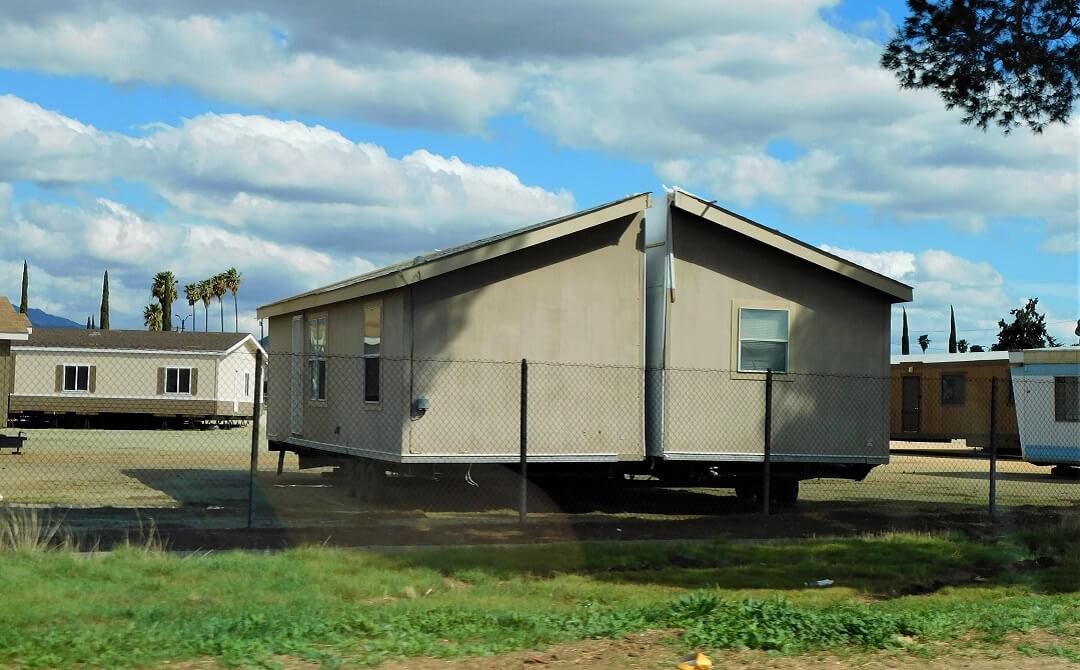
When it comes to buying a first home, many people only think about traditional single-family homes. However, mobile or manufactured homes offer an alternative that, in some cases, provides more space and amenities for the price. But how do you buy a mobile home? Do you need to have land? Will you be able to find financing for your mobile home purchase? Here we take a deep dive into the world of mobile homes and how they can offer a great alternative when purchasing your first home.
What are mobile homes?
When considering a mobile home, chances are you hear multiple different terms, such as manufactured, mobile, modular, and even park homes. But what do all these terms really mean and is there a difference?
Mobile homes
Mobile homes are constructed in a factory and were originally considered to be homes that were able to move and change location. Technically, only factory-built homes made before June 15, 1976, are “mobile homes.” These homes may or may not be permanently fixed to a foundation and were made to be easily moved. On that date, federal construction and safety standards for these homes, known as the HUD Code, took effect under the National Manufactured Housing Construction and Safety Standards Act of 1974.
Manufactured homes
Manufactured homes are similar to mobile homes, as they are built in a factory before delivery. However, they’re built after June 15, 1976, to the federal HUD Code, which sets national standards for design, construction, strength, fire safety and energy efficiency. They’re built on a permanent steel chassis and placed on blocks, metal piers, or a permanent foundation. Each home carries a red HUD certification label, and designs are approved by a HUD-approved Design Approval Primary Inspection Agency.
Modular homes
Modular homes are similar to manufactured homes, as they are still built in a factory and delivered to a specific location. However, modular homes are built to the same state and local building codes as site-built homes and are placed on a traditional foundation, such as a crawlspace or basement. Lenders usually finance them just like site-built homes.
Park homes
Park homes are different not so much in their building construction but in the land that the home sits on. Manufactured homes placed in a manufactured home community (often called a park) are permanent homes in a park-like residential setting. When you purchase the manufactured home, you are only purchasing the home. The land is owned by the park, and you typically pay a monthly land rental fee.

Financing mobile homes
Years ago, financing a mobile home left you with few options. Today, if the home and land are titled together as real estate, many of the same financing options available for traditional single-family homes are available for manufactured homes. When financing a manufactured home, you will have some additional requirements that pertain to the home and the land you are financing.
Conventional loans
Conventional financing through Fannie Mae and Freddie Mac is available for many manufactured homes, with some conditions. For example, the home generally must be at least 12 feet wide and 400 square feet, built to the 1976 HUD Code, placed on a permanent foundation, and titled as real estate together with the land. Fannie Mae’s MH Advantage and Freddie Mac’s CHOICEHome programs offer terms closer to site-built homes for newer manufactured homes with certain design features.
Government-backed loans
FHA, VA, and USDA loans can also finance manufactured homes, with similar conditions: the home must be built after June 15, 1976, and meet foundation requirements. FHA has two routes. Its standard (Title II) mortgages finance a manufactured home and land together as real estate. Its Title I program can finance the home alone, even in a park where you lease the lot, as long as the lease meets FHA’s requirements, but Title I loans have lower maximum loan amounts and shorter terms. Some programs also require that the home has never been moved from its original site, other than from the factory.
Chattel mortgage
A chattel loan is a special type of personal property loan that allows you to purchase the home as personal property and not real estate. These loans are common for things like manufactured homes, farm equipment, boats, and planes. They work by using the home itself as collateral. They’re the most common way to finance a manufactured home that isn’t titled as real estate, but they usually have higher interest rates and shorter loan terms than mortgages, and fewer consumer protections.
Personal loans
Because some mobile homes, especially older or single-section homes, cost much less than traditional homes, buying one with a personal loan is possible. However, keep in mind that personal loans often have much higher interest rates and short repayment terms.
Purchasing mobile homes
When thinking about purchasing a mobile home, there are many things to consider. Will the home be placed in a park setting? Will you be purchasing land to place the home on? Are you buying the home newly manufactured or purchasing an older home already on a foundation? The buying process for a manufactured home can be quite different from that of a traditional single-family home.
How to buy a mobile home in a park
If you are considering a mobile home in a park setting, there are a few things to consider. In most cases, you will be leasing the land the home is on and the park is likely to have certain rules and regulations when it comes to what is allowed in the park. This can mean everything from pets to how you landscape the yard. Once you establish what the rules are and what the leasing arrangements will be, then you need to consider when the home was built and what type of financing will be available. Other things to consider include:
- Is there a homeowner’s association fee (HOA)?
- What are the land lease terms and how long are they for? (Many financing programs require at least a 3-year term)
- How much is lot rent, and how much has it gone up in recent years?
- Do they have land spaces for a new mobile home placement?
How to buy a mobile home for private land
If you are looking to place a mobile home on private property, then there are a few things to consider. Do you already own the land? If you do, can you acquire the necessary permits to place a manufactured home on the property and can you get utilities to the home? If you do not own property yet and want to bundle it into one loan, does the cost of the property fall within the allowed percentage in the loan terms? Oftentimes, a manufactured home dealer will help walk you through the steps of home placement, finding a property, and ensuring that it all meets loan requirements.
How to purchase a mobile home with bad credit
If your credit is less than perfect, buying a mobile home can still be an option. FHA loans for manufactured homes allow lower credit scores and as little as 3.5% down, and eligible veterans and rural buyers may be able to use VA or USDA loans with no down payment.
How much does a mobile home cost?
According to the U.S. Census Bureau’s Manufactured Housing Survey, the average sales price of a new manufactured home was about $129,400 in June 2026 (FRED). Prices vary a lot depending on whether you choose a single-wide or a double-wide, and on the features you choose. Compared to the national median existing-home price of $416,700 in October 2026 (NAR), that’s a lot cheaper. Keep in mind, however, that there are additional costs with a manufactured home. This is strictly the price of the home and does not include the land, be it purchasing or leasing in a park.
Considerations before buying a mobile home
Before you jump onto the mobile home bandwagon, there are some things to consider. It is a good idea to do some research into different mobile home manufacturers and what home styles and amenities they have to offer. In most cases, mobile homes come in three basic sizes: single-wide, double-wide, and triple-wide. These different sizes come in a wide range of floor plans and can accommodate families of all sizes.
During the purchasing process, work with the dealer and your lender to ensure that you are covering all the potential costs in your financing. This can include the transportation and set-up of your home, the connection to utilities, and other additional costs.
Finding the perfect mobile home for you
Mobile and manufactured homes offer a unique alternative to home buyers looking to purchase a home that offers more space for the price. However, the home buying process is slightly different and can be intimidating and confusing. At Hero Home Programs, we are committed to helping home buyers secure their homes with the best financing options available. To learn how our team can help you find and finance the perfect mobile home, schedule a call with us today.